
 By
By 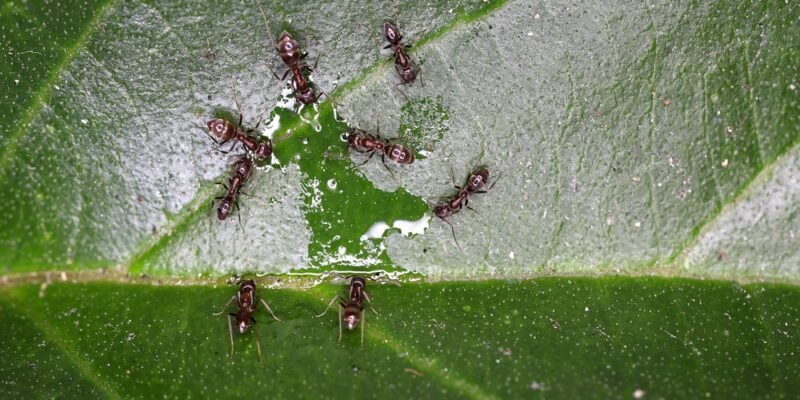
Portland rain is predictable. But a trail of ants cutting through your kitchen like they have been planning the trip all week is the least expected. There’s a specific reason Portland homes get hit with massive ant invasions right after heavy rainfall. You can understand this reason when you check out Pointepest.com. The website will also help you realize why rely on pest control experts is your best option against ants. Here’s why ants may end up inside your home:
Their Underground Home is Flooded
Ants build elaborate tunnel systems beneath the soil. These networks include chambers for food storage, nurseries for eggs and larvae, and resting areas for the queen. This underground world works beautifully under normal conditions.
But heavy rainstorms will cause water to saturate the soil, flooding tunnels and collapsing chambers. This leaves the colony facing an immediate survival crisis. As a result, workers scramble to move eggs and larvae to safety, and the entire population pushes upward toward drier ground. Your home is the most attractive option available with its dry floors, warm interior, and food sources.
Portland’s Soil Makes It Worse
Portland has a mix of clay-heavy soils, particularly on the west side and in many residential neighborhoods. Clay soil has poor drainage. It holds moisture near the surface for extended periods. This means ant colonies in Portland face prolonged waterlogging after heavy rain, leading to hours or days of saturated ground that makes their tunnels uninhabitable. The pressure to relocate is intense, and the urgency pushes colonies toward structures like your home.
The Species You Might See
Not all ants respond to rainfall the same way, but Portland has a few species that are notorious for post-rain invasions:
- Odorous house ants. These are the most common culprits after heavy rain in Portland. Their colonies nest shallow in the soil, making them among the first to flood out. They move in massive numbers and leave a distinct coconut-like smell when crushed when they invade.
- Pavement ants. These nest under sidewalks, driveways, and foundations. Heavy rain can destabilize these areas and force entire colonies to relocate through cracks into your home’s foundation.
- Carpenter ants. These become more mobile after rain because moisture-damaged wood becomes easier for them to excavate. A wet winter followed by heavy spring rain is prime time for carpenter ant activity near your home.
What Draws Them to Your Specific House
Scout ants move quickly and follow specific signals that point toward a viable shelter. Here’s what makes your home a target:
- Warmth escaping from gaps. Ants detect temperature differences. Warm air leaking through cracks around windows, doors, or utility lines acts as a beacon on a cold, wet Portland day.
- Food odors from the kitchen. Even a small crumb or a splash of juice on the counter sends chemical signals that foragers can detect from outside.
- Moisture near the foundation. Overflowing gutters or pooling water near your home’s base during rain can create conditions that ants find comfortable.
- Wood-to-soil contact. Fence posts, deck boards, or firewood stacked against your house give ants a bridge from flooded ground into your structure.
Why Portland Rain Specifically Hits Different
Portland averages around 36 inches of rain per year, with the heaviest periods concentrated from November through March. Portland storms can dump significant rainfall in short windows, overwhelming soil absorption capacity almost immediately.
The timing is also important. Late winter and early spring rain coincides with the period when ant colonies come out of dormancy and expand. A heavy storm during this window can disrupt a colony in the middle of growth, sending thousands of newly active workers scrambling for shelter all at once.





Comments