
 By
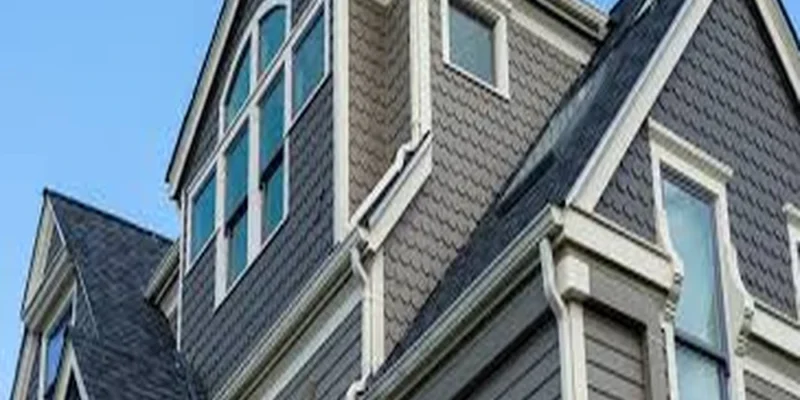
Drive through almost any neighborhood in Wyckoff and you will see the same pattern. There are center hall colonials, split-levels and capes built between the 1950s and the 1970s, and many of them are wrapped in vinyl that went up a generation ago. That vinyl is now chalky, faded or starting to bow, and plenty of homeowners are wondering whether to replace it with the same material or try something else.
The answer depends less on the panels themselves and more on the house underneath them. A thorough Wyckoff siding contractor will usually want to look at the condition of the sheathing, the window trim and the roofline before talking about colors or profiles. Siding is one part of a larger system that keeps water out of the walls, and that system matters most on homes that are 50 or more years old.
So is vinyl still the smart default? For many houses, yes. For others, the reasons it became popular no longer outweigh its weaknesses. Here is how to tell the difference.
Why Vinyl Took Over in the First Place
Vinyl spread across North Jersey suburbs for practical reasons. It costs less than most alternatives, never needs paint, and installs quickly. In the 1980s and 1990s, many homeowners used it to cover peeling cedar clapboard or dented aluminum, because it removed a painting job that came back every few years.
Modern vinyl is also better than the early versions. Thicker panels resist sagging, colors hold up longer, and darker shades that used to warp in the sun are now made with heat-resistant formulas. A well-installed vinyl job can easily last several decades.
Where Vinyl Falls Short on Older Houses
The weaknesses tend to show up on the kind of homes Wyckoff has plenty of.
Older walls are rarely perfectly flat. Thin vinyl follows every dip in the sheathing, so a wall that was framed slightly out of plane decades ago can look wavy once new panels go up. Mature oaks and maples, common on Bergen County lots, keep north and east walls shaded and damp, which encourages mildew on vinyl surfaces. Branches and hail can crack panels, especially on cold winter days when vinyl becomes more brittle.
There is also a more serious concern. Vinyl is designed to let some water get behind it and drain out. That only works when there is a proper water barrier and flashing underneath. On many older homes, vinyl was installed directly over the original wood siding with little attention to what was happening below. Water that gets behind it can sit against old wood for years without anyone noticing.
The Alternatives Worth Pricing
Insulated Vinyl
This is standard vinyl with a rigid foam backing attached. The foam stiffens each panel, helps hide uneven walls and adds a modest amount of insulation. It costs more than regular vinyl, but it fixes the waviness issue that bothers many owners of older homes.
Fiber Cement
Made from cement, sand and wood fibers, fiber cement looks much like painted wood clapboard and does not burn, rot or attract insects. It is heavy, requires careful handling and needs painting eventually, although factory-applied finishes last a long time. It often looks right on traditional colonials.
Engineered Wood
Engineered wood siding is made from treated wood strands pressed with resins. It is lighter than fiber cement and easier to cut, and it comes in long boards with a convincing wood texture. Its main requirement is careful sealing of cut edges and good clearance from roofs and the ground, since it does not tolerate standing water.
Cedar
Real cedar shingles or clapboards still suit some older homes beautifully. They also demand the most upkeep: regular staining or painting, and close attention in shaded, damp areas. Cedar tends to make the most sense when the goal is to preserve or restore a home’s original look.
What Happens When the Old Layer Comes Off
Whichever material you choose, the most important decisions often happen after the old siding is removed. Tearing off old layers rather than covering them lets the crew see the sheathing. Soft wood at window corners, along the sill plate and below roof edges is common on homes of this age and needs to be replaced before anything new goes on.
Lead paint is another factor. Homes built before 1978 often have lead-based paint on their original wood siding and trim, and removing it can release hazardous dust and chips. Federal rules require contractors working on these homes to be certified and to follow specific containment and cleanup practices. The EPA’s guide on lead safe renovation, repair and painting explains what those practices look like, so you know what to expect on your property.
Before signing a contract, it helps to settle a few points in writing:
- Whether the old siding will be removed or covered, and why.
- How damaged sheathing will be priced if it turns up.
- What water barrier will go on the walls and how it will overlap.
- How windows and doors will be flashed, including the top edges.
- Where kickout flashing will be installed at roof and wall intersections.
- How lead-safe work practices will be handled on a pre-1978 home.
The fifth point deserves a closer look. Wherever a lower roof meets a sidewall, such as above a garage or an entry porch, water running down the roof can be pushed behind the siding. A small angled piece of flashing at the bottom of that intersection directs it into the gutter instead. It is a minor part, but missing kickouts are one of the most common causes of hidden rot in two-story homes.
Matching the Material to Your House
Different home styles tend to suit different materials. A center hall colonial with long, flat walls shows every flaw, so insulated vinyl or fiber cement usually looks cleaner than thin standard vinyl. Split-levels and raised ranches have multiple rooflines meeting their walls, which makes flashing details more important than the siding product itself. Capes and smaller ranches have less wall area, which can make premium materials more affordable than people expect.
Shade matters as well. A wall that sits under heavy tree cover and rarely sees sun will challenge any material, so choosing a lighter color, trimming branches back and leaving proper ground clearance will help regardless of which siding you pick.
Vinyl is still a reasonable choice for many Wyckoff homes, especially when budgets are tight and the walls underneath are in good shape. But it is no longer the only sensible option, and it should not be chosen by default. The best result comes from opening the walls, fixing what has been hidden for decades, and then picking the material that fits both the house and how much upkeep you are willing to do in the years ahead.




Comments