
 By
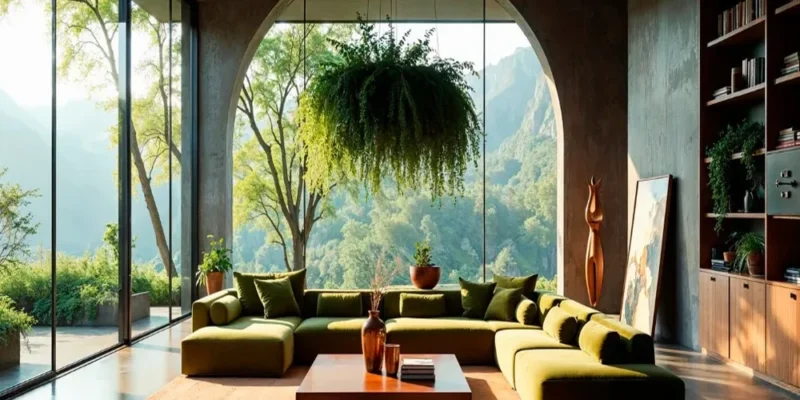
Walk into a good showflat and your shoulders drop. That happened to me once, and I still can’t explain it. The rooms at Linktown Residences work that way too, calm and bright, with nothing shouting for attention. Here is what we can borrow for our own homes.
Design ideas are cheap, but good ones are rare. I looked at colour, light, storage and small details, the things most people skip. Nothing here needs a big budget. A few smart choices go a long way, and most are easy to copy this weekend.
Colour Choices That Feel Calm
Soft whites, warm greys and a touch of oak. That is the palette I keep seeing at Lentor Signature, and it works. Light colours make small rooms feel wider, and they also hide dust a little better, which I will happily take (my cleaning habits are not great).
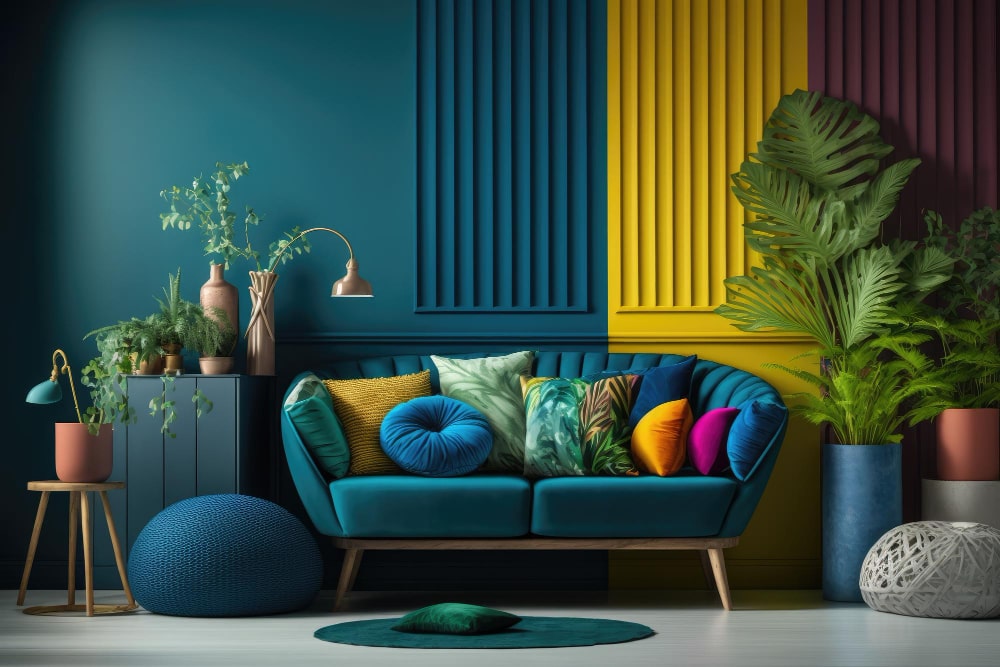
Add one bold colour, but keep it small. A rust cushion or a deep green vase does the job. Too many shades and the eye gets tired. Stick to three, then stop. I learned that the hard way, with a purple sofa. Your room will thank you for it.
Using Natural Light Well
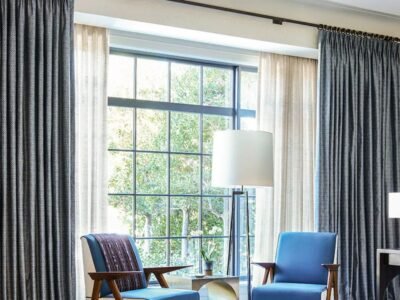
Windows are free decoration. Leave them clear. Sheer curtains let the sun in but soften the glare, and pale floors bounce it around the room. Annoying, but lovely: in the morning, my own living room glows for about an hour, then it is gone.
Mirrors help too. Put one across from a window and the room doubles its light. Skip heavy blinds in the day. If you need privacy, try frosted film instead. It costs little and takes ten minutes to fit. Honestly, that is a better trade than most.
Smart Storage for Small Rooms
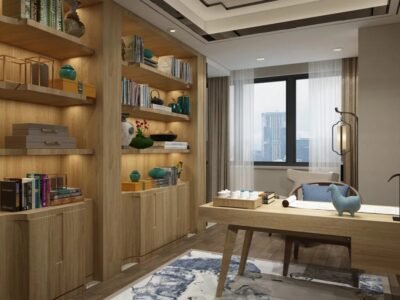
Clutter ruins good design faster than anything. Built in shelves fix a lot. Go tall, not wide, and use the wall space above the door. A bed with drawers underneath is a quiet hero. Nobody sees the socks, and that is the whole point.
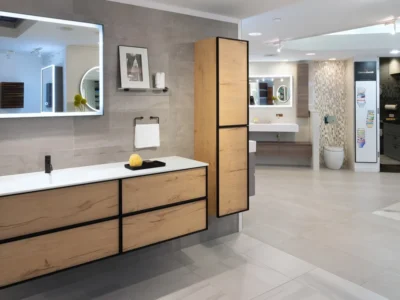
Hidden doors are fun. A flat cabinet front hides the clutter and keeps lines clean. Baskets work too, if they match. Closed storage is easier to live with. Label them if you must. I never do, and I lose things weekly. Keep the floor clear and the room breathes.
Furniture That Fits the Room
Big sofas look great in a shop. At home they eat the floor. Measure twice, then measure again. Slim legs let you see under the piece, which makes a room feel bigger. A round table also saves bruised hips in tight corners.
Pick pieces that do two jobs. A bench with storage, a desk that folds, a side table that nests. They earn their space. Linktown Residences shows this idea well, using compact items that never feel cramped. Quality beats quantity here, every single time.
Lighting That Sets the Mood
One ceiling light is rarely enough. Layer it. Add a floor lamp by the sofa, a small desk lamp, maybe strip lights under shelves. Warm bulbs feel cosy in the evening. Cool ones suit a study. I keep both in a drawer, just in case.
Dimmers are cheap and kind to tired eyes. A lamp near a plant can look almost like art. The showflat at Lentor Signature leans on soft glow rather than bright glare, and the rooms feel gentler for it. Try it for a week.
Finishing Touches That Matter
Small things carry the mood. Think fabric, wood, a woven basket, one good plant. Mix textures, but keep the shapes simple. A linen throw on a smooth leather chair looks rich without being loud. Plants, even fake ones, soften hard edges.
Stop buying things just because they are on sale. Edit instead. Leave a bare patch of wall, since empty space is a design choice too. Rotate your decor each season, and your home will feel fresh without a big spend. It is a slow game, honestly.
Conclusion
Good design is mostly about restraint. Pick a calm palette, let the light in, hide the clutter, and choose furniture that fits. Those four moves do most of the work. Everything after that is just taste, and taste can grow over time.
Showflats are worth a visit, even if you are not buying. Take photos, and take notes. Then try one idea at home this week, just one. Linktown Residences and Lentor Signature both prove that thoughtful rooms can be simple. Start small, and see how it feels.



Comments