
 By
By 
A retaining wall is built to hold back soil, manage changes in elevation, and help control erosion around a property. When it begins to fail, the damage can spread beyond the wall itself and affect landscaping, walkways, driveways, drainage, and nearby structures.
Some signs of damage are easy to spot. Others develop slowly and may go unnoticed until the wall has already shifted.
For homeowners considering retaining wall repair in Bergen County NJ, identifying problems early can make it easier to address damage before it becomes more serious or expensive.
1. The Wall Is Leaning
A retaining wall should remain stable and properly aligned.
If the wall begins leaning outward, it may be struggling against pressure from the soil behind it. This can happen because of poor drainage, inadequate reinforcement, weak footings, soil movement, or construction problems.
Even a small lean deserves attention if it appears to be getting worse.
A professional inspection can help determine whether the wall can be stabilized or whether a larger repair is necessary.
2. Cracks Are Growing or Spreading
Small surface cracks do not always mean a retaining wall is failing.
However, widening cracks, horizontal cracks, stair-step patterns, or cracks that continue growing may indicate movement or structural stress.
Homeowners should pay attention to changes over time.
Take photos of visible cracks and compare them periodically. If the crack becomes wider or new cracks appear nearby, the wall should be evaluated.
For property owners researching retaining wall repair in Essex County NJ, recurring or expanding cracks are a strong reason to have the structure inspected.
3. The Wall Is Bulging
Bulging usually means pressure is building behind part of the wall.
Waterlogged soil can become much heavier than dry soil, increasing the force against the structure.
If drainage is poor, that pressure may push sections of the wall outward.
A bulge should not be ignored.
It can be a warning that the wall is losing its ability to hold back the soil safely.
Repair may involve correcting drainage, rebuilding part of the wall, improving reinforcement, or addressing the foundation beneath it.
4. Water Is Collecting Behind or Around the Wall
Good drainage is essential for retaining wall performance.
Water should not consistently collect behind the wall or pool around its base.
Standing water can increase soil pressure, weaken the supporting ground, and contribute to erosion.
Look for signs such as:
- Puddles after normal rainfall
- Water stains on the wall
- Constantly wet soil
- Blocked drainage outlets
- Soil washing through cracks
- Water flowing over the top
Homeowners considering retaining wall repair in Morris County NJ should have persistent drainage issues addressed before they cause additional movement.
5. Soil Is Washing Away
Erosion near a retaining wall can weaken the surrounding area.
If soil is disappearing from behind the wall, around the base, or along the edges, the structure may lose support.
You may also notice gaps, sunken landscaping, exposed roots, or washed-out areas after heavy rain.
Erosion can be caused by poor grading, uncontrolled runoff, damaged drainage systems, or gaps in the wall.
Simply filling the missing soil may not solve the underlying problem.
The source of the water movement should also be identified.
6. Sections of the Wall Are Separating
Retaining walls may contain multiple sections, blocks, panels, or joints.
If these areas begin pulling apart, shifting, or creating visible gaps, the wall may be moving unevenly.
Separation can develop because of settlement, freezing and thawing, soil pressure, or an unstable base.
The location and direction of movement matter.
A contractor should inspect both the wall and the ground around it before recommending repairs.
7. The Base Is Shifting or Sinking
A retaining wall depends on a stable foundation.
If one part of the base settles, the wall above it may crack, lean, or separate.
Common signs include:
- One side sitting lower than the other
- Cracks near the bottom
- Gaps beneath sections of the wall
- Nearby pavement becoming uneven
- Soil sinking along the base
Homeowners looking into retaining wall repair in Passaic County NJ should treat visible settlement as more than a cosmetic issue.
Movement at the base often means the support system beneath the wall needs attention.
Why Retaining Walls Fail
There is rarely one single cause of retaining wall damage.
Problems often develop from a combination of factors.
Common causes include:
- Poor drainage
- Weak footings
- Inadequate reinforcement
- Improper backfill
- Excess soil pressure
- Freeze-thaw cycles
- Erosion
- Tree roots
- Added weight behind the wall
- Poor original construction
Understanding the cause is essential because repairing only the visible damage may not prevent the problem from returning.
Can a Damaged Retaining Wall Be Repaired?
In many cases, yes.
The right repair depends on the type of wall, the amount of movement, drainage conditions, and the condition of the foundation.
Minor issues may be corrected with localized repair or improved drainage.
More serious problems may require partial rebuilding, reinforcement, excavation, or complete replacement.
The goal should be to fix both the visible damage and the underlying cause.
When Repair May Not Be Enough
Sometimes a wall has deteriorated beyond the point where repair is practical.
Replacement may be more appropriate if the wall is severely leaning, extensively cracked, badly deteriorated, or repeatedly failing after previous repairs.
A contractor should explain why replacement is recommended.
Homeowners should also understand whether drainage, grading, or soil conditions will be corrected during the new installation.
Replacing a failed wall without improving the original problem can lead to the same damage later.
Check What Is Located Above the Wall
The area behind and above a retaining wall can affect how much pressure it carries.
A wall supporting landscaping has different demands than one supporting a driveway, patio, parking area, or structure.
Heavy loads close to the top of the wall can increase pressure significantly.
If a new feature has recently been added near an older wall, that change may contribute to movement.
This should be considered during the inspection.
Do Not Ignore Drainage During Repairs
Drainage is one of the most important parts of retaining wall repair.
A structurally sound repair can still fail if water continues collecting behind the wall.
Depending on the site, drainage improvements may include:
- Drain stone
- Perforated pipe
- Weep holes
- Better surface grading
- Downspout extensions
- Improved runoff control
The exact solution depends on the property and wall design.
Catching Damage Early Can Reduce Future Costs
A small crack or slight lean may seem harmless, but retaining wall problems often become more difficult to repair as movement continues.
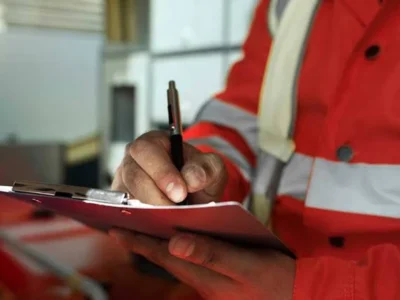
Regular inspections can help homeowners spot changes early.
It is especially useful to check the wall after heavy rain, major storms, freezing weather, or nearby construction.
Documenting visible changes can also help determine whether the wall is actively moving.
Get the Wall Evaluated Before the Problem Spreads
Retaining wall damage should not be treated as a purely cosmetic issue.
Leaning, cracking, bulging, erosion, drainage problems, separation, and settlement can all indicate that the wall is under stress.
KRR General Contractor can help homeowners assess retaining wall conditions and determine whether repair, reinforcement, drainage improvements, or replacement may be appropriate.
A professional evaluation can provide a clearer understanding of the cause of the damage and help prevent a small problem from turning into a larger one.






Comments