
 By
By 
If your heat pump seems to run constantly but your home still feels too warm in summer or too chilly in winter, you might be wondering what went wrong. Is the unit defective? Is it too small? Or is something else happening behind the scenes?
The truth is, a heat pump struggling to keep up is rarely just about square footage. Let’s break down why this happens in so many Cincinnati homes.
The Square Footage Sizing Mistake
Many systems are sized using general rules based only on total square footage. While that sounds simple, it does not tell the whole story.
Does your home have high or vaulted ceilings? That extra air volume requires more heating and cooling power. Heat naturally rises, so rooms with tall ceilings often feel colder in winter and warmer in summer.
What about your layout? Open floor plans allow air to move freely. But homes with many walls, narrow hallways, or multiple levels create airflow resistance. That means some rooms may never receive enough conditioned air, even if the system is technically large enough.
Insulation And Air Leaks Matter More Than You Think
A heat pump does not create heat like a furnace. It moves heat. If your home leaks air, the system has to constantly replace what escapes.
Older homes around Cincinnati often have outdated insulation or small gaps around windows and doors. Even recessed lighting and attic access panels can allow warm or cool air to escape. When that happens, the heat pump runs longer cycles and still struggles to maintain comfort.
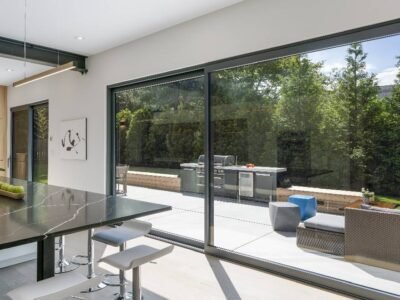
Large south or west-facing windows also increase cooling demand due to solar heat gain. If shading or window treatments are limited, your heat pump may be fighting against constant heat buildup.
Ductwork And Installation Problems
Even a properly sized heat pump will struggle if the ductwork cannot handle the airflow. Undersized ducts create pressure problems and reduce the delivery of heated or cooled air to distant rooms.
Another factor is outdoor temperature. Standard heat pumps lose efficiency as temperatures drop below freezing. If your system was not selected for local winter conditions, it may rely heavily on backup heat during cold snaps.
Home additions also create issues. Finishing a basement or adding a sunroom without recalculating system load can leave your original unit undersized for the expanded space.
Bottom Line
If your heat pump cannot keep up, the solution is not always installing a bigger unit. Oversized systems create new problems like short cycling and humidity imbalance.
A detailed load calculation and full system inspection are key. That is why homeowners turn to HELP Plumbing, Heating, Cooling, and Drains. Our local experts understand how Cincinnati homes are built and how regional weather impacts performance.
When your heat pump is properly matched to your home’s true demands, comfort improves, efficiency rises, and your system finally works the way it should.







Comments