
 By
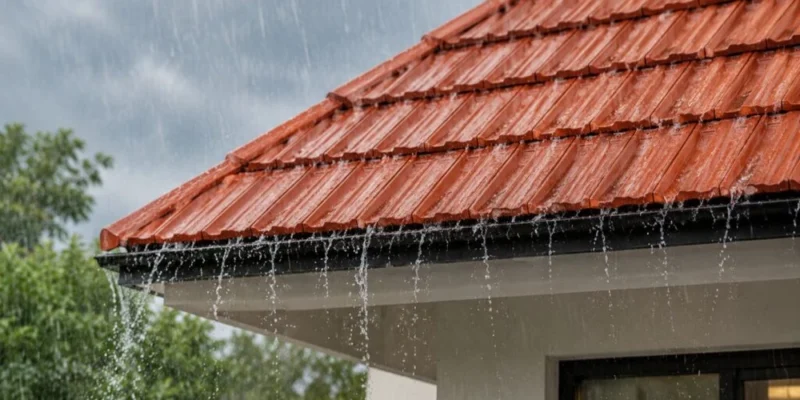
Drive through almost any older Tucson subdivision and you’ll see clay and concrete tile roofs that still look good after thirty summers. The barrel tiles keep their terracotta color and the flat profiles sit in straight rows. From the street, that roof seems to have years left. But the tile is mostly a sunshade and a wind shield. The part that actually keeps water out is a thin membrane underneath, and nobody sees it until it fails.
Roofers who spend their weeks lifting tile in the desert, including the crew at Zona Roofing Pros, describe the same scene over and over. Tiles that could easily last another generation are stacked on the ridge, while the paper under them flakes apart in a gloved hand. The homeowner is usually surprised, because nothing about the roof’s appearance suggested trouble.
The Real Roof Is the One You Never See
A tile roof is built in layers, and each layer does a different job. The tiles hang on wood battens or sit directly on the deck. They shed most of the rain and block the sun. Water still gets past them. Wind-driven rain pushes sideways under the laps, and a cracked or slipped tile opens a gap. Even on a perfect day, condensation forms beneath the tile. All of that water lands on the underlayment, which carries it down to the eaves and out.
That’s why roofers call the underlayment the actual roof. Tile can last fifty years or more. Felt underlayment on many homes built in the 1980s and 1990s has a much shorter life. Local contractors usually put it at roughly 12 to 25 years in this climate, depending on the felt’s weight and how well it was installed. The gap between those two lifespans is the gap homeowners fall into.
How Desert Heat Slowly Cooks a Membrane
On a July afternoon, the surface of a Tucson roof can climb well past 150 degrees, and the air trapped under the tile is hot too. Traditional organic felt is saturated with asphalt oils. Year after year, that heat drives the oils out. The felt shrinks, stiffens and turns brittle. Eventually it cracks wherever it bends over a ridge, a hip or a batten.
Daily temperature swings make it worse. Desert nights cool off sharply, so the deck and membrane expand and contract over and over. Nail holes that were once tight slowly widen. Ultraviolet light gets in through any broken tile and bleaches the exposed felt even faster. Cheaper builds that used 15-pound felt instead of 30-pound often wear out first, and valleys usually fail before the open field of the roof, because that’s where the most water runs.
Monsoon Season Is When the Bill Comes Due
Most of this damage happens without any sign, because there’s little rain to expose it for most of the year. Then the monsoon arrives. The National Weather Service office in Tucson tracks the season through the end of September, and its forecasters warn about the dust storms, heavy downpours and flash flooding that come with it. For a roof, that means short bursts of intense, sideways rain, often loaded with dust and debris that clog valleys and weep openings.
When that water gets under the tile and reaches brittle felt, it no longer runs neatly to the eaves. It finds a crack, follows a batten and drips onto the plywood deck. A leak can show up on a ceiling ten feet from where the water first got in, which is why spot repairs sometimes keep missing the source. Repeated soakings lead to soft decking, rusted fasteners and attic mold, so a roofing problem turns into an interior repair.
Clues That Show Up Before the Ceiling Stain
Underlayment failure is hard to see, but it does leave clues. Homeowners who know what to look for can usually catch it a season or two before serious damage. Watch for these signs:
- Ceiling stains that show up after a storm and then fade, only to come back the next season
- Small black flakes of felt in gutters, at the eaves or caught behind bird stops
- Tiles that have slipped, cracked or rattle when the wind picks up
- Dark rings or daylight around nails when you look at the deck from inside the attic
- A roof that’s more than twenty years old and has never had its underlayment replaced
- Older patches where the tile color or profile doesn’t quite match the rest of the roof
A single clue doesn’t confirm the underlayment is gone, but two or three together are a good reason for a closer inspection.
What a Lift and Relay Actually Involves
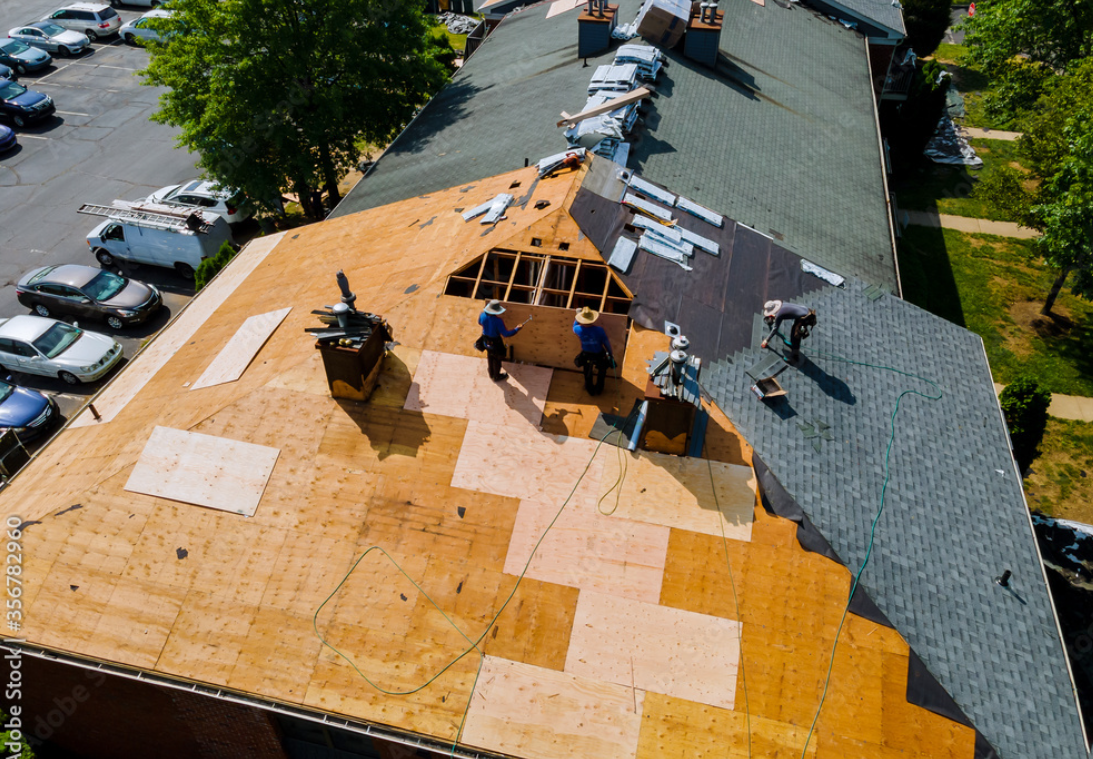
The usual fix isn’t a brand-new roof. It’s a process roofers call a lift and relay, or a tile reset. The crew removes each tile by hand and stacks it on the roof or the ground. They tear off the old underlayment and battens down to bare plywood. Once the deck is exposed, they can see and replace any rotted sheathing.
Next comes new underlayment, which today is often a modified or synthetic product rated for high heat. Valleys, roof-to-wall joints, skylights and penetrations get fresh flashing and usually a self-adhered membrane for extra protection. Then the crew installs new battens, drip edge and bird stops, and resets the original tiles. Some tiles always break during removal, so it helps to know ahead of time whether your profile is still made or whether replacements will need to be salvaged and color-matched. Because the costly tile gets reused, the project usually costs well under what a full tear-off with new tile would.
Felt Versus Synthetic Is Not a Settled Argument
You might expect the modern synthetic to win easily, but plenty of experienced desert roofers disagree. One argument in favor of heavy asphalt-based felt is that it seals around nail shanks better than some synthetic sheets do, which matters on a roof held down by hundreds of fasteners. Synthetics and polymer-modified membranes are lighter, tear less easily and are often rated for higher temperatures. Self-adhered high-temperature membranes have become a common choice for valleys in particular.
The useful questions for a roofer have little to do with brand names. Ask what temperature the product is rated for. Ask whether the plan calls for one layer or two, how the valleys will be treated and what the membrane manufacturer’s warranty covers. A contractor who can explain why they picked a particular material for your roof is worth more than one who just names the most expensive option.
Timing the Work Around the Desert Calendar
Spring and fall are the best seasons for this work. In mid-summer, crews are working in dangerous heat, and some self-adhered membranes get too sticky to place cleanly. If you inspect in late fall, after the hottest months, you have time to plan and budget before the next storm season. Booking in spring means the new membrane is down before the first July storm.
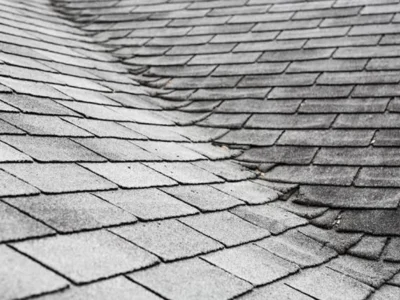
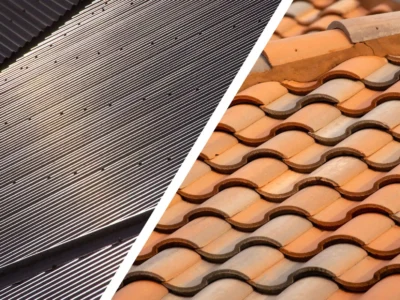
Shingle and flat roofs have their own hidden weak points. On flat roofs, the elastomeric or foam coating does much the same job underlayment does under tile. It slowly chalks and thins in the sun until it needs to be recoated. The rule is the same for every roof type in this climate. How the top surface looks tells you very little, and what’s underneath decides when water gets inside.
A tile roof that still looks good is a reason to feel fortunate, but it isn’t proof that the roof is sound. Check how old the original membrane is, have someone look under a few tiles before the next monsoon, and plan for the underlayment as a separate part of the roof with its own, much shorter lifespan.







Comments