
 By
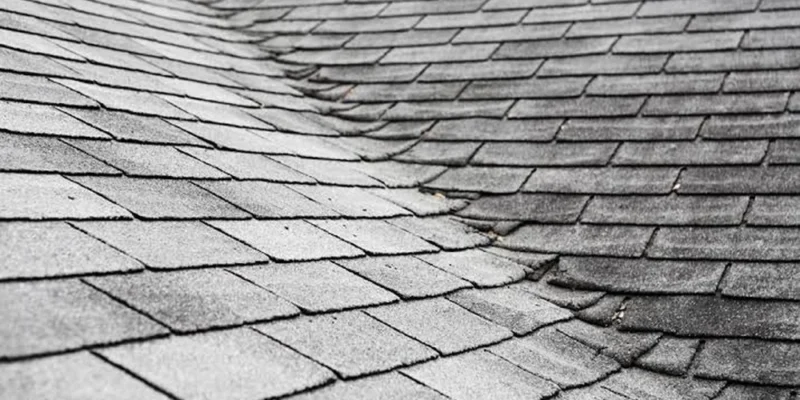
A roof does not have to lose shingles or develop a visible hole to start failing. Some of the most expensive roofing problems begin with small weaknesses that homeowners cannot see from the driveway. In Edmond, Oklahoma, where hail, strong winds, and sudden temperature changes put roofing materials under pressure, understanding these hidden vulnerabilities is especially important. Local contractors such as Flying Out Roofing work with residential and commercial roofing systems exposed to these conditions, where identifying the source of deterioration can matter more than simply covering its visible symptoms.
The First Warning May Appear Inside the Building
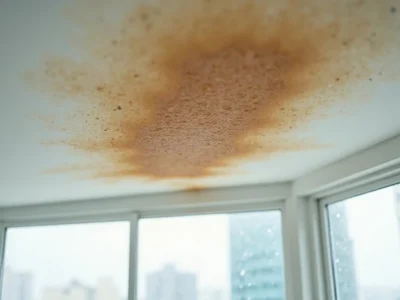
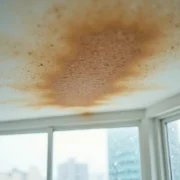
A brown ceiling stain might seem like the obvious sign of a roof leak. Yet the location of that stain rarely tells the entire story. Water can enter near a chimney, travel along a framing member, and eventually drip several feet away from its original entry point. On commercial buildings, moisture may move beneath a roof membrane before reaching insulation or ceiling materials.
This explains why repairing the area directly above a stain does not always stop the leak. Other interior clues deserve attention, particularly when they appear after heavy rainfall.
Peeling paint near ceiling corners can indicate recurring moisture exposure.
Damp insulation may suggest water infiltration or condensation.
Musty odors in attic spaces can develop when materials remain wet.
Darkened roof decking can reveal previous moisture exposure, although staining alone does not prove an active leak.
Wind Damage Often Begins at the Roof’s Edges
People frequently associate storm damage with missing shingles. However, strong winds place considerable pressure on roof edges, corners, ridges, and other vulnerable transitions. As wind moves across a building, pressure differences can produce uplift forces that pull against roofing materials. The roof perimeter often experiences particularly demanding conditions.
A shingle may remain in place while its adhesive seal becomes compromised. Metal edge flashing can loosen slightly without detaching. On low-slope roofs, weakened perimeter attachment can increase the risk of membrane movement. These defects may stay unnoticed until another storm arrives.
Areas requiring attention include shingle tabs that no longer lie flat, displaced fasteners around metal trim, lifted membrane edges, and damaged flashing where roofing meets walls or equipment.
Hail Does Not Affect Every Roofing Material Equally
Asphalt shingles can suffer hidden impact damage
Hail may dislodge protective granules, bruise the asphalt layer, or fracture the reinforcement beneath the surface. Not every granule loss indicates damaging hail impact. Normal weathering also causes granule shedding, particularly as shingles age. Inspectors distinguish between ordinary deterioration and storm-related damage by examining impact patterns, surrounding components, and the condition of individual shingles.
Metal roofing requires a different assessment
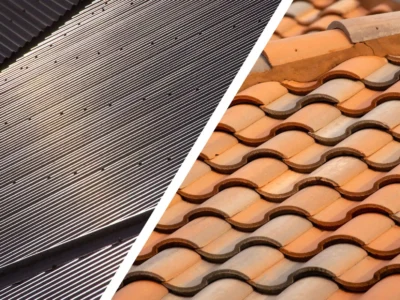
Metal panels may develop dents while remaining watertight. Cosmetic deformation alone does not necessarily mean the roof requires replacement. However, impacts affecting seams, protective coatings, fasteners, or flashing can create functional concerns. The central question is whether the damage interferes with weather resistance, drainage, or structural performance.
Flat roofs can conceal moisture beneath the membrane
Low-slope commercial roofing systems often use materials such as TPO, PVC, or modified bitumen. A puncture may be small enough to escape casual observation but still allow moisture to enter underlying insulation. Repair decisions should account for membrane condition, seam integrity, insulation moisture, and the extent of any concealed damage.
Drainage Problems Can Turn Minor Defects Into Major Repairs
Consider a roof that performs adequately during ordinary rain but leaks after a prolonged downpour. The difference may have less to do with the roofing material and more to do with drainage. Leaves, branches, accumulated sediment, and poorly positioned outlets can prevent water from leaving the roof efficiently.
On low-slope buildings, standing water increases the time moisture remains against seams and penetrations. Persistent ponding can also indicate inadequate slope, structural deflection, or blocked drainage. Water accumulation deserves investigation rather than another layer of sealant.
Flashing Is Often More Important Than the Visible Roof Surface
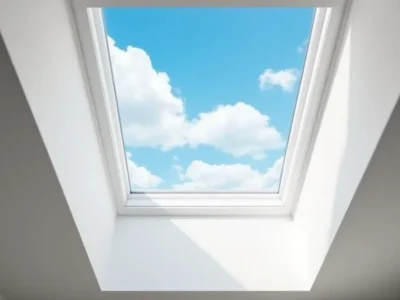
Roofing materials receive most of the attention during replacement discussions. Yet many leaks develop where different building components meet. Chimneys, skylights, plumbing vents, parapet walls, and rooftop equipment interrupt the otherwise continuous roof covering. Each interruption requires properly designed flashing to direct water away from vulnerable joints.
Over time, movement between materials can strain these connections. Metal flashing expands and contracts with temperature changes. Sealant exposed to sunlight may harden or lose adhesion. Roofing materials near walls can shift differently from the walls themselves.
Adding caulk over a deteriorated joint may temporarily reduce water entry, but it does not necessarily correct an incorrectly installed flashing assembly. A lasting repair addresses how water is supposed to flow around the penetration. That distinction becomes especially important on older buildings where several previous repairs may conceal the original construction details.
The Attic Can Reveal Problems the Roof Surface Cannot
An attic is more than an empty space beneath the roof. Its insulation, ventilation, and air leakage characteristics influence how moisture behaves inside the building. Warm, humid indoor air can enter an attic through ceiling gaps and encounter colder surfaces. Under suitable conditions, condensation develops even when exterior roofing materials remain intact. This can produce symptoms resembling a roof leak.
The National Roofing Contractors Association explains in its roofing ventilation resources that ventilation can help manage attic moisture, particularly under certain cold-weather conditions. However, ventilation alone cannot correct every moisture problem.
Air sealing, insulation placement, bathroom exhaust routing, and the overall roof assembly must work together. Adding roof vents without understanding the existing system may introduce new complications rather than resolve the original issue. A complete assessment therefore distinguishes rainwater intrusion from internally generated moisture before recommending repairs.
Repair Decisions Should Follow Evidence, Not Appearance
Once hidden damage is discovered, the next question is whether localized repairs will restore dependable protection. A relatively young roof with isolated flashing damage may need only a targeted repair. A roof with widespread material deterioration, recurring leaks, or saturated insulation may require more substantial work.
The actual failure point. Ask what evidence identifies the source of the problem and whether other possible causes were ruled out.
The condition of surrounding materials. A repair is less valuable if adjacent components are approaching failure.
The expected life of the repair. A short-term solution may be appropriate when replacement is already planned, but it should not be confused with permanent restoration.
The effect on warranties. Roofing repairs must use compatible materials and methods that meet applicable manufacturer requirements.
For some commercial buildings, a properly engineered metal retrofit may be worth evaluating when the existing roof structure is suitable. However, structural capacity, trapped moisture, attachment requirements, and local code compliance must be assessed before choosing an overlay.
A Good Roof Is One That Handles the Next Storm
The appearance of a roof provides only part of the information needed to judge its condition. Waterproofing depends on multiple components working together, including drainage, flashing, fasteners, ventilation, and the underlying structure.
For property owners in Oklahoma, regular observations from the ground, timely professional inspections, and documented maintenance can uncover problems before another storm exposes them. The most useful question is not whether a roof looks new. It is whether the complete roofing system still performs as intended when the weather becomes difficult.




Comments