
 By
Pull one panel off an older house and you learn more in sixty seconds than in years of walking past it. The wall behind the siding is where moisture, insects and old repairs leave their records, and it is why two jobs that look identical on finish day can age so differently. Anyone hunting for a Yorktown siding contractor will run into TOPSTREAM, which Caleb started in 2017 and now runs with multiple crews, offering free written estimates and a five year warranty on siding work. He also answers texts on his own phone. This article peels the wall back one layer at a time, from the visible cladding down to the framing, so you know what a good job should deal with before anyone quotes a number.
The skin you can see
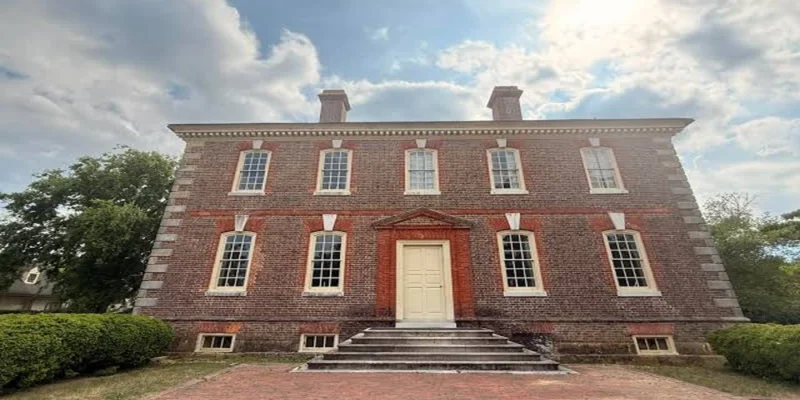
Yorktown is a mixed bag of housing, with colonial era streets, waterfront lots and newer subdivisions sitting a few miles apart. That means vinyl, fiber cement, wood and engineered wood all show up, and each ages in its own way. Vinyl fades and turns brittle in the cold. Fiber cement resists rot but depends on paint and caulk. Wood looks wonderful and wants steady attention in damp air. Near the York River, wind driven rain pushes water into every seam it can find.
A few signs suggest the surface is asking for help.
- Cracked, chalky or faded panels
- Sections that bulge, ripple or sit unevenly
- Loose pieces that rattle in a stiff wind
- Peeling paint or failed caulk at corners and trim
- Mildew that returns within weeks of a cleaning
One or two of these is maintenance. Several together are a reason to look behind the surface.
The paper layer nobody photographs
Behind the panels sits a thin sheet called a weather resistive barrier, often sold as house wrap. Its job is to catch the water that always gets past the cladding and guide it down and out of the wall. Most leaks do not come through the middle of a wall at all. They sneak in around windows, doors, vents, light fixtures and the spot where a roof meets a wall, which is why flashing and taped seams matter more than the label on the siding box.
A new wall hung over a careless barrier looks perfect on day one and starts to fail in a few years. When you compare crews, ask how they handle the barrier and flashing, because that detail separates tidy work from durable work.
Sheathing, the layer that tells the truth
Under the wrap is the sheathing, the structural board that gives the wall its stiffness. When old siding comes off, this is where the truth appears. Dark stains, a musty smell and soft spots that give under a screwdriver all mean water has been working there for some time.
Good contractors probe suspicious areas, repair or replace damaged sheathing before anything is covered up, and put that in writing. A quote that is oddly low and silent about sheathing is often a quote that will grow once the walls are open. Ask for a clear allowance or unit price for repairs so a surprise does not turn into an argument.
The quiet opportunity in the wall cavity
A siding replacement opens the exterior at the moment when comfort upgrades are cheapest. It is a fair time to ask about sealing gaps around trim, fixing the small air leaks that pull cold air in, and adding a layer of rigid foam under the new cladding. Not every house needs these, and some products change how trim and window depth sit, so treat it as a conversation instead of an upsell. An honest crew will tell you what makes sense for your walls and what can wait.
Paperwork on the front porch
Rules are the least glamorous layer, but they protect you. York County’s guidance on renovations explains that the state building code treats cosmetic changes such as installing vinyl siding as outside its permit requirements, while structural work needs a permit, and the page lists the Building Safety office for borderline cases. You can read it on the York County renovations page before assuming anything. Properties in or near the historic village can face added design review, so ask early rather than after the panels arrive.
Licensing deserves the same attention. Virginia requires a state contractor license for residential work valued at one thousand dollars or more, so ask for the number and verify it through the state lookup before signing.
When estimates arrive, compare what each one actually includes. Look for whether the old siding is removed or covered, what happens with the barrier and flashing, how corners and trim are handled, how debris is disposed of and how the site is cleaned each day. Check the length and scope of the warranty and who stands behind it. The cheapest number is often the shortest list.
Timing the job around the Chesapeake calendar
Autumn is a comfortable season for exterior work. Moderate temperatures make panels easier to handle and fasten, and the peak of storm season is behind us once November arrives. Cold snaps make vinyl brittle and slow the curing of caulk, and spring schedules fill up fast, so decisions made in the fall often lead to calmer scheduling.
Whenever the work happens, a good crew should protect shrubs and walkways, stage materials neatly and button up the house against weather at the end of each day. Siding is a skin, but it is also the first line of defense for everything underneath, and the homes that last are the ones where someone cared about the layers nobody sees.






Comments