
 By
By 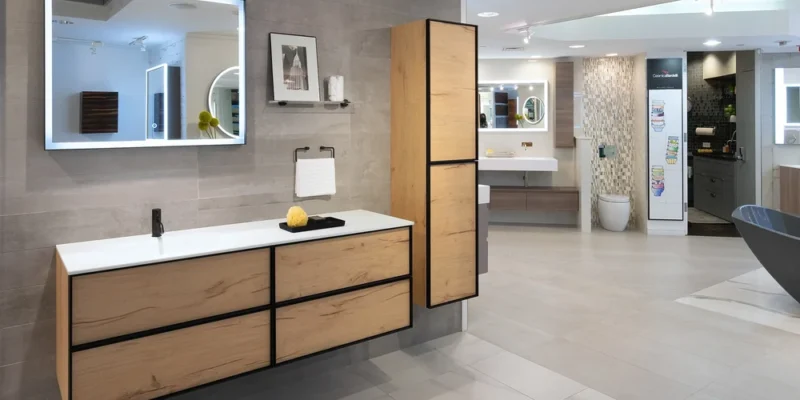
What if a single decision could transform your morning routine and the way your bathroom feels every day? The choice between wall-hung and freestanding bathroom vanities is exactly that kind of decision, a subtle shift that can unlock new levels of style, space, and convenience.
Defining Wall-Hung and Freestanding Bathroom Vanities
What Makes a Vanity Wall-Hung?
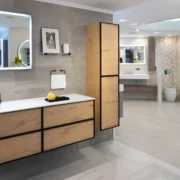
Wall-hung vanities, sometimes called floating vanities, are mounted directly to the wall and leave floor space open underneath. This visual lightness gives bathrooms a clean, modern look. Their popularity is rising fast in urban homes and condos, where maximizing every inch matters.
Characteristics of Freestanding Vanities
Freestanding vanities rest on the floor, supported by legs or a solid base. They tend to anchor the room and are often chosen for their classic or transitional appearance. With a range of widths, colors, and finishes, from rough oak to high-gloss white, they can become a statement piece or an elegant complement in a larger space.
Materials and Countertop Options
Whether you lean wall-hung or freestanding, quality bathroom vanities come in premium materials. Soft-close drawers, engineered quartz, ceramic, and polymarble countertops are just some of the choices that blend durability with style. Walnut, textured oak, crisp white, and matte black finishes allow for true customization.
Space and Design Considerations
How Wall-Hung Vanities Transform Small Bathrooms
In small spaces, every square inch is precious. Wall-hung vanities open up the floor, creating the illusion of a larger room and making cleaning simpler. The floating effect also lets light travel farther, adding an airy vibe even in compact condos or apartments.
Freestanding Vanities as Architectural Statements
For rooms that can accommodate them, freestanding vanities offer substance. Their sturdy profiles and bold presence draw the eye and can echo other architectural features in the home. From curved walnut fluting to solid matte finishes, these pieces often become the star of a bathroom renovation.
Real-World Example: Maximizing Space in a Montreal Condo
When a Montreal couple renovated their 800-square-foot condo, swapping a traditional cabinet for a 30-inch wall-hung vanity freed up floor space and made the room feel double its size. Not only did their morning routine become less crowded, but the open look also brought out the beauty of their new flooring.
Installation and Maintenance Challenges
Structural Requirements for Wall-Hung Vanities
Wall-hung models demand strong wall supports, studs or mounting brackets must be properly installed, which sometimes means extra preparation or drywall reinforcement. This investment pays off in style, but it’s a factor to consider, especially in older homes.
Ease of Installation and Mobility of Freestanding Models
Freestanding vanities win on installation ease. Set them in place, connect plumbing, and you’re done. They can be moved or replaced easily if your tastes or needs change, and are ideal for quick remodels or DIYers.
Case Study: Renovation Experience from a Quebec Homeowner
A Quebec homeowner chose a freestanding vanity for her family’s main bathroom. Installing was a breeze, no wall modifications needed, and when she decided to upgrade after three years, the swap took just an afternoon.
Storage and Functionality Comparison
Storage Capacity: Wall-Hung vs Freestanding
While wall-hung vanities often sacrifice some storage for style, newer models offer deep drawers and clever organizers. Freestanding types, by contrast, can feature larger cabinets and even double sinks, perfect for busy households.
Accessibility and Cleaning Advantages of Wall-Hung Designs
Cleaning around and under a wall-hung vanity is effortless. No awkward corners or hidden dust bunnies. Plus, this design can make the space more accessible for anyone with mobility concerns.
Customer Scenario: Choosing Storage Solutions for a Family Bathroom
A growing family in Laval opted for a 60-inch freestanding double sink vanity, prioritizing storage for towels and toiletries. In their guest bath, however, a sleek wall-hung unit kept the space open and accessible.
| Feature | Wall-Hung | Freestanding |
|————————|—————————-|————————–|
| Storage | Moderate, organized | High, spacious |
| Cleaning | Easy, floor accessible | More corners to clean |
| Accessibility | Wheelchair-friendly | May block floor access |
| Installation | Wall support required | Simple, floor-standing |
Style and Aesthetic Impact
Modern Minimalism with Floating Vanities
Wall-hung vanities epitomize contemporary design. The floating look pairs perfectly with large tiles, under-cabinet lighting, and minimalist fixtures.
Classic and Transitional Styles in Freestanding Pieces
For those who prefer timeless elegance, freestanding vanities offer a sense of gravitas. Their variety of silhouettes, curved, rectangular, or shaker, fit both classic and transitional bathrooms.
Visual Case Study: Styling Two Montreal Bathrooms with Different Vanity Types
A downtown loft went ultra-modern with a matte black floating vanity against subway tiles, amplifying the sense of space. In contrast, a suburban family home embraced warmth with a walnut-textured freestanding model and double sinks.
Cost Analysis and Long-Term Value
Price Range Overview Based on Real Products
Browsing leading Montreal suppliers reveals wall-hung vanities starting around $329, with luxury models topping $3,899. Freestanding options range from budget-friendly basics to $4,299 premium designs.
Installation and Maintenance Costs
Wall-hung vanities may incur extra installation costs due to wall reinforcement. Freestanding vanities are typically cheaper to install but can cost more if you choose premium materials or double sinks.
ROI: Which Vanity Type Adds More to Home Value?
Both styles can boost home value, but modern buyers often favor the open, updated look of wall-hung vanities, especially in urban markets.
Environmental and Practical Considerations
Material Sustainability and Durability
Look for vanities with FSC-certified wood or recycled materials. Engineered quartz and polymarble are both durable and low-maintenance options.
Impact on Bathroom Lighting and Wall Space Utilization
Floating vanities enhance light flow and offer the opportunity for under-cabinet LED lighting, while freestanding pieces maximize storage and display space.
Example: Eco-Friendly Renovation Featuring Both Vanity Types
In one eco-conscious Quebec remodel, a recycled wood freestanding vanity anchored the main bath, while a small floating model in the powder room kept things light and functional.
Making the Right Choice: Personalized Recommendations
Assessing Your Bathroom’s Layout and Needs
Measure your space, consider who uses the bathroom, and decide which features matter most: visual spaciousness or storage capacity.
Lifestyle Factors: Family Size, Usage, and Aesthetics
Families tend to prefer freestanding models for storage, while singles or couples in urban settings may love the sleekness of wall-hung vanities.
Decision Matrix Based on Case Study Insights
| Bathroom Type | Best Vanity Style | Key Reasons |
|——————-|————————-|————————–|
| Small Condo | Wall-Hung | Space-saving, modern |
| Family Home | Freestanding | Storage, double sinks |
| Powder Room | Wall-Hung | Sleek, easy to clean |
| Master Ensuite | Either | Depends on style needs |
For a deeper dive and to explore all available finishes and sizes, take a look at this comprehensive collection of bathroom vanities. The ideal vanity is the one that best matches your space, your lifestyle, and your vision for a better daily routine.






Comments