
 By
By 
Recurring plumbing problems are not always caused by poor-quality fixtures or aging pipes. Sometimes, the water flowing through the system is the underlying issue. Hardness minerals, sediment, acidity, iron, and other substances can leave deposits, restrict flow, stain fixtures, and shorten equipment life. Investing in water treatment for cleaner plumbing may help control these conditions before they cause repeated damage. However, the right solution depends on professional water testing rather than assumptions. By identifying what is actually present, homeowners can select suitable treatment, reduce avoidable wear, and spend less time paying for problems that continue returning year after year.
How Untreated Water Can Increase Plumbing Costs
Water may look clear but still contain minerals or debris that slowly damage plumbing and lead to repeated repairs.
1. Hardness Minerals Create Scale
Hard water contains calcium and magnesium that form scales inside pipes and appliances. This buildup can restrict water flow, clog fixtures, and reduce water heater efficiency.
2. Sediment Can Block Openings
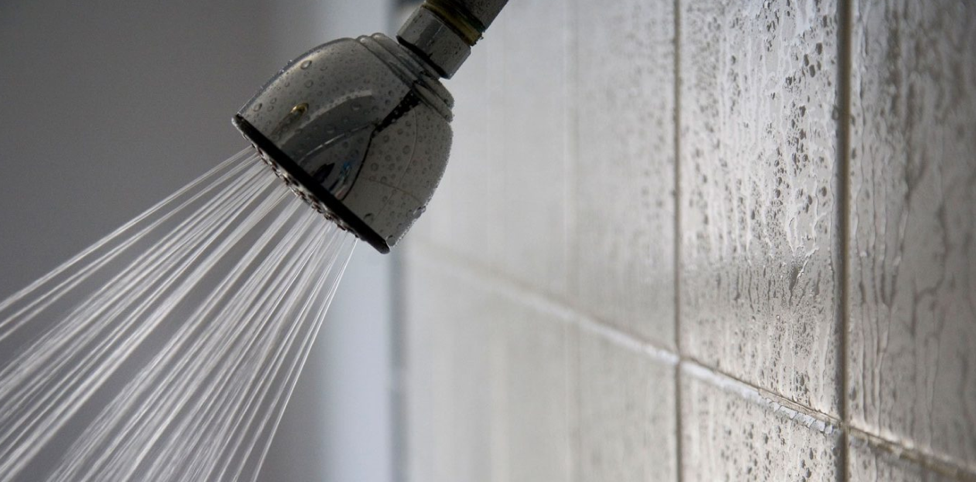
Sand, rust, and silt can enter plumbing and collect in faucets, showerheads, and valves. Cleaning may help temporarily, but clogs often return if the source isn’t addressed.
Warning Signs That Water Quality May Be the Problem
Repeated plumbing issues often leave visible clues that a repair alone may not fix.
1. Fixtures Develop Stains or Buildup
White, orange, or blue-green stains on faucets and showerheads can indicate mineral scale, iron, or corrosion.
Common signs include:
- Recurring fixture deposits
- Cloudy dishes or glassware
- Reduced water flow
- Stains in sinks or toilets
- Frequent faucet issues
These symptoms don’t confirm the exact cause-water testing is needed.
2. Water-Using Appliances Need Frequent Attention
Dishwashers, washing machines, water heaters, ice makers, and other appliances rely on controlled water flow. Minerals and sediment can collect in valves, screens, heating surfaces, and supply lines.
Premature component failures do not always prove that water quality is responsible. However, recurring problems across several water-using appliances justify a broader investigation.
Why Water Testing Should Come First
Different water problems require different treatments, so testing before installing equipment can prevent wasted money and help identify the real issue. Water tests can detect hardness, sediment, iron, bacteria, chemicals, and heavy metals, with the right testing depending on whether the home uses well or city water. Well water may contain minerals or bacteria, while city water can have chlorine, hardness, or taste and odor concerns. Using actual test results ensures the treatment system matches the home’s specific water quality instead of relying on a one-size-fits-all solution.
Choosing Treatment That Matches the Problem
Water treatment works best when each component addresses a specific issue found through testing. Water softeners can reduce hardness and limit scale buildup in pipes, fixtures, and appliances, but they do not remove all contaminants. Filtration systems target specific concerns such as sediment, chemicals, odors, and certain metals, making it important to match the filter to the water-quality problem. Water treatment for cleaner plumbing may also include reverse osmosis for reducing dissolved substances at drinking-water taps or UV purification for certain microorganisms. Since each system serves a different purpose, proper testing and pretreatment are essential for effective results.
How Treatment Can Reduce Repeat Repairs
Water treatment cannot prevent every leak, clog, or equipment failure. Pipes still age, seals wear out, and mechanical parts eventually require service. Treatment helps by reducing damage caused specifically by poor water quality.
1. Less Buildup Supports Better Flow
Controlling sediment and mineral scale can help keep small openings, valves, aerators, and appliance connections clearer. This may reduce recurring flow restrictions and the need for repeated cleaning.
Existing heavy scales or corrosion will not disappear immediately after treatment. Damaged components may still require repair or replacement.
2. Cleaner Water Can Protect Equipment Performance
When water heaters and other appliances accumulate fewer deposits, their internal components may operate under less strain. Maintenance remains necessary, but controlling the incoming water can support more dependable performance.
The potential savings depend on the original water condition, treatment design, equipment upkeep, and household water use. No system should be promoted as eliminating all plumbing expenses.
Avoiding New Costs After Installation
A treatment system is not a one-time purchase that can be ignored. Filters, softeners, UV equipment, and reverse osmosis systems require different forms of routine care.
Follow the Recommended Maintenance Schedule
- Replacing filter cartridges
- Adding softener salt
- Cleaning or sanitizing components
- Replacing UV lamps
- Inspecting tanks and valves
- Retesting the water periodically
Skipping maintenance can reduce treatment performance and allow old water-quality problems to return.
Monitor Changes in Water Quality
Pay attention to returning stains, unusual tastes or odors, declining flow, or changes in softener salt use. These signs may indicate exhausted filters, incorrect settings, equipment faults, or a change in the water source.
Water monitoring equipment may also help track certain system conditions. However, monitoring should support scheduled inspection and testing rather than replace them.
Final Takeaway
Repeated plumbing repairs can get expensive when the real issue is poor water quality. Hardness, sediment, iron, and acidity can all cause buildup, corrosion, and early wear in pipes and appliances.
Start with professional water testing to identify the problem, then choose the right treatment system-such as a softener, filter, or purifier. With proper maintenance, water treatment can’t prevent every repair, but it can reduce avoidable damage and help protect your plumbing long-term.





Comments