
 By
By 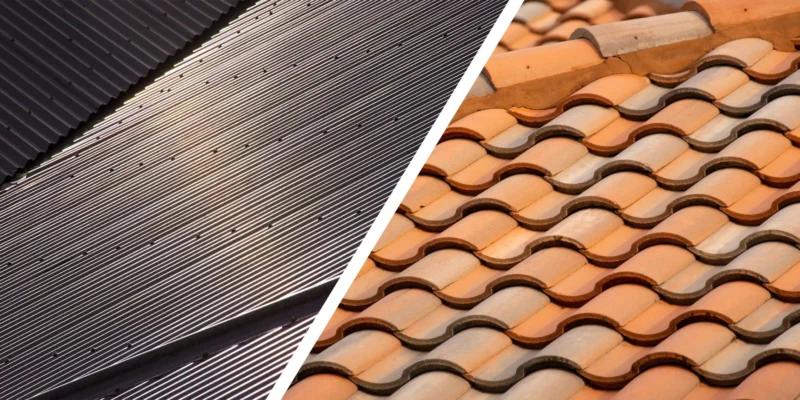
For homeowners in Minnesota, understanding how long a roof lasts is essential for planning maintenance, budgeting for replacement, and ensuring the protection of their property. Many homeowners often ask, how long does a roof last in Minnesota, and the answer depends on the material, installation quality, and local climate. Minnesota’s unique climate, characterized by cold winters, heavy snowfall, and occasional summer storms, can significantly affect the durability of roofing materials. Choosing the right type of roof can make a substantial difference in both longevity and performance. Asphalt, metal, and tile are three of the most common roofing materials, each offering distinct advantages and considerations for homeowners.
Understanding how long a roof lasts in Minnesota requires examining both the material properties and the environmental conditions it will face. While some roofs can endure decades of harsh weather, others may show signs of wear much sooner if not properly maintained. By evaluating the differences between asphalt, metal, and tile roofing, homeowners can make informed decisions about which option best suits their needs and lifestyle. Knowing how long a roof lasts in Minnesota helps homeowners budget for replacements and schedule routine inspections effectively.
Asphalt Roofs: Popularity and Practical Lifespan
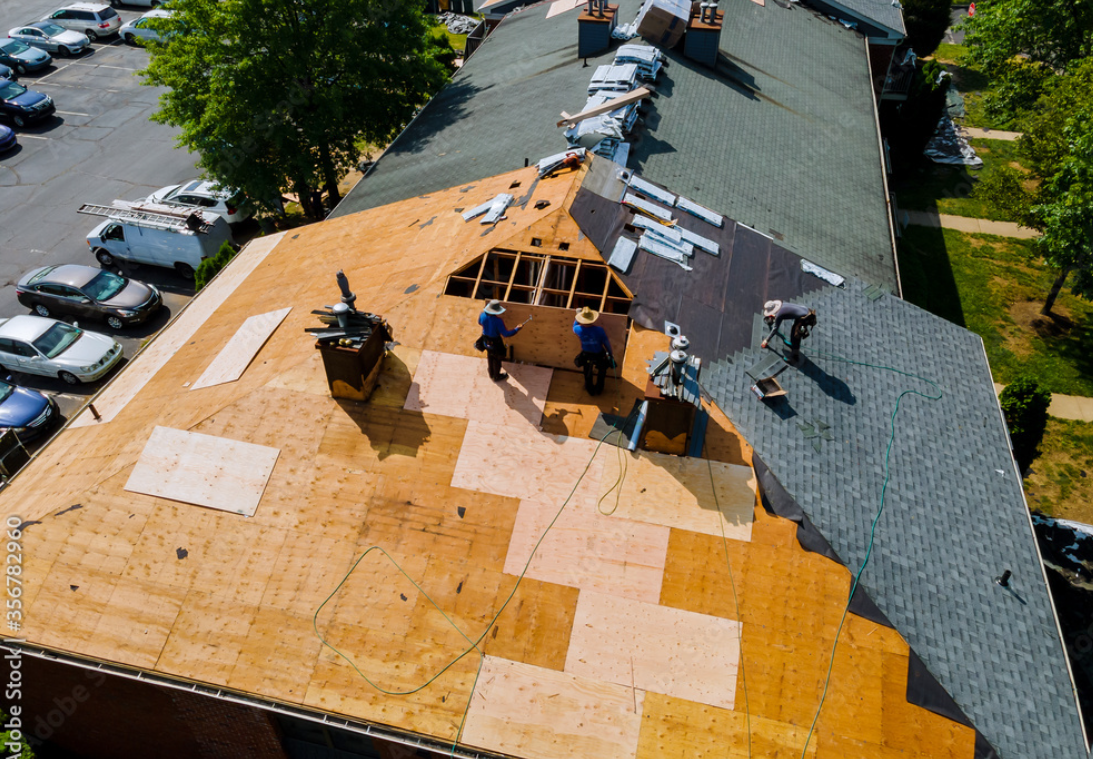
Asphalt shingles are one of the most widely used roofing materials in Minnesota. Their affordability, ease of installation, and availability make them a popular choice for residential properties. On average, asphalt roofs last between 15 to 25 years, though this can vary based on quality, installation, and exposure to the elements. Standard three-tab shingles may fall on the lower end of the spectrum, while architectural or laminated shingles offer enhanced durability and can extend the roof’s life. Homeowners frequently ask how long does a roof last in Minnesota, and for asphalt shingles, the answer depends heavily on the material grade and the level of maintenance.
The Minnesota climate, with its freeze-thaw cycles and heavy snow, can impact asphalt roofs. Accumulation of ice and snow can lead to increased weight on the roof, while fluctuating temperatures can cause shingles to crack or curl over time. Proper installation, including effective underlayment and ventilation, is critical to maximizing lifespan. Regular maintenance, such as clearing debris and inspecting for damage after storms, helps asphalt roofs endure the harsh conditions typical of Minnesota winters. Understanding how long a roof lasts in Minnesota allows homeowners to plan for maintenance schedules and prevent costly damage.
Despite these challenges, asphalt remains a practical choice for many homeowners due to its cost-effectiveness and relative ease of repair. Minor issues, such as damaged shingles or leaks, can be addressed without extensive work, ensuring that the roof continues to provide reliable protection throughout its intended lifespan.
Metal Roofs: Longevity and Weather Resistance
Metal roofs have gained popularity in Minnesota because of their longevity and superior resistance to extreme weather. Depending on the type of metal and the quality of installation, a metal roof can last 40 to 70 years, making it a long-term investment. Materials such as steel, aluminum, and copper provide strong protection against heavy snow, wind, and ice, all common concerns in Minnesota’s climate. Homeowners considering how long does a roof last in Minnesota often choose metal because it offers one of the longest lifespans available for residential roofing.
One of the key advantages of metal roofs is their ability to shed snow and ice effectively, reducing the risk of damage caused by excessive weight accumulation. Additionally, metal is highly resistant to moisture, preventing rot, mold, and structural issues that can affect asphalt roofs over time. Properly coated and maintained metal roofs also resist rust and corrosion, further extending their lifespan in regions with fluctuating temperatures and precipitation levels. Knowing how long a roof lasts in Minnesota can influence a homeowner’s decision to invest in metal roofing for its durability and long-term reliability.
While the upfront cost of a metal roof is higher than asphalt, the durability, low maintenance, and energy efficiency often justify the investment. Homeowners can also benefit from reflective coatings that reduce heat absorption during the summer months, contributing to lower energy bills. The long-term performance of metal roofs makes them an attractive option for those seeking a reliable and low-maintenance roofing solution in Minnesota.
Tile Roofs: Durability and Aesthetic Appeal
Tile roofing, made from clay or concrete, offers exceptional durability and a distinctive aesthetic. In Minnesota, tile roofs can last 50 years or more if properly installed and maintained. These roofs are resistant to fire, rot, and insect damage, and their weight and composition allow them to withstand harsh weather conditions effectively. Tile roofs also provide excellent insulation, helping to regulate indoor temperatures and improve energy efficiency. Many homeowners asking how long does a roof last in Minnesota consider tile roofing for its longevity and the visual appeal it adds to the home.
One consideration for tile roofs in Minnesota is their weight, which requires a structurally sound support system. Homes must be evaluated to ensure that the roof framing can safely support the added load. Additionally, while tiles themselves are extremely durable, individual tiles can crack or break under certain conditions, such as heavy hail or falling branches. However, repairs are generally straightforward, as damaged tiles can be replaced without affecting the surrounding roofing structure.
Tile roofs offer a long-term solution for homeowners seeking durability combined with visual appeal. Their lifespan often exceeds that of asphalt and can rival or even surpass metal roofs when installed correctly. While the initial investment is higher, the extended durability and minimal maintenance make tile roofing a worthwhile choice for many Minnesota properties.
Factors Influencing Roof Longevity in Minnesota
Beyond material selection, several factors affect how long a roof lasts in Minnesota. Proper installation is crucial, as even the best materials can fail if not installed correctly. Ventilation and insulation play key roles in managing temperature fluctuations, preventing ice dams, and reducing stress on roofing materials. Regular maintenance, including inspections after storms, clearing debris, and addressing minor issues promptly, also helps extend the roof’s life.
Climate conditions, including snow load, ice formation, and seasonal temperature changes, exert significant influence on roofing durability. Homeowners should consider these environmental factors when choosing between asphalt, metal, and tile. In addition, tree coverage, roof slope, and exposure to sunlight can all impact material performance and longevity. Understanding how long a roof lasts in Minnesota allows homeowners to make informed decisions regarding inspections, repairs, and eventual replacement.
Choosing the right roofing material is a balance of cost, durability, aesthetics, and climate suitability. Asphalt roofs offer affordability and ease of repair, metal roofs provide longevity and superior weather resistance, and tile roofs combine durability with a unique visual appeal. By understanding these differences and considering how long a roof lasts in Minnesota, homeowners can make informed decisions that protect their property, enhance curb appeal, and deliver long-term value.






Comments